
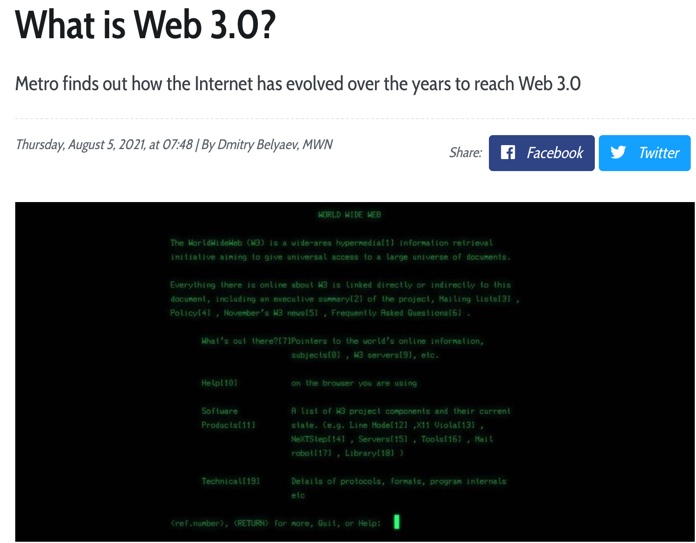
My interview with Metro International (Brazil) on how Web 3.0 is envisioned to lead to a future where we can interact with data and other systems over a P2P network without the need for third parties.
-

How to ensure cybersecurity in the payments process
My interview with Raconteur on how despite a cashless society on the horizon, moving that way presents major risks for the payments industry.
-

Pakistan’s Cyber Security Policy
My interview with Pakistan Indus TV on techniques the Pakistan government can use to secure the IT infrastructure.
-
Is this the end of the road for ransomware?
My interview in IT Pro on possible counter-measures for the problem of ransomware.
-

Londonderry Mandarin Speakers Association Talk
I was delighted to be allowed to speak to some wonderful young people from the Chinese community in Derry. They were so nice and had some very interesting questions throughout my talk on staying safe online.
The talk was funded through Northern Ireland’s Department for the Environment (DfE) as part of a cybersecurity outreach project entitled – Securing Tomorrows World.
-

Left to our own devices
My interview with Technology Magazine on the bring-you-own-device culture creating a headache for CSOs.
-
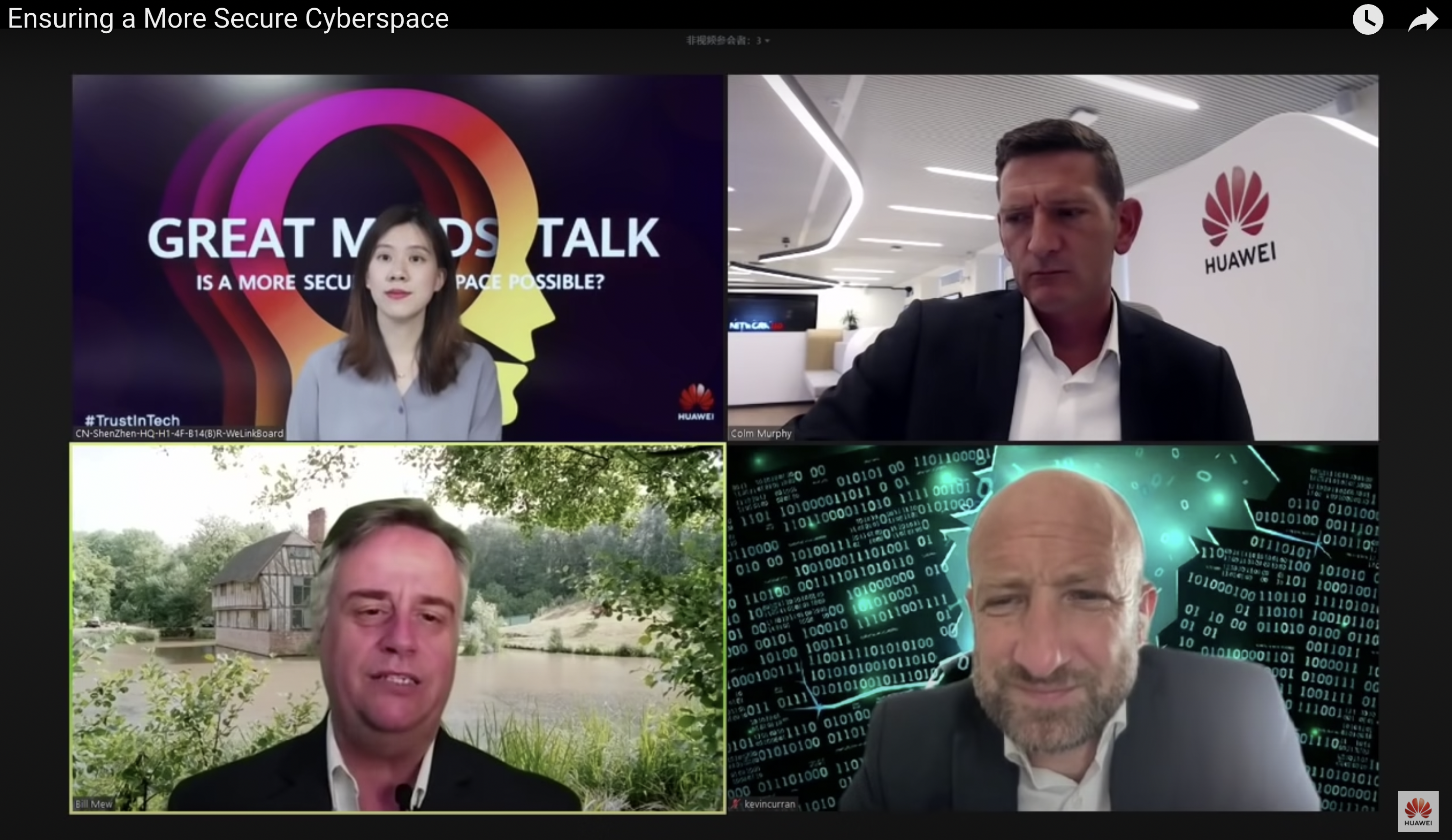
Ensuring a More Secure Cyberspace
My participation in a Huawei webinar on how we can achieve a more secure cyberspace.
-

Connected Cars: The State of Digital Transport
My interview with Silicon on how modern vehicles have evolved to contain a complex network of as many as 100 independent computers, electronic control units (ECUs). ECUs perform a variety of functions such as measuring the oxygen present in exhaust fumes and adjusting the fuel or oxygen mixture improving efficiency and reducing pollutants.
-
Hit My Line! How Could Wide Availability of Raab & BoJo’s Phone Numbers Affect UK’s Security?
My interview with Sputnik News on how serious it is that UK Foreign Secretary Dominic Raab’s personal phone number has been online for at least 11 years.
-

Patients to get more control over their data
My interview with Global Security Magazine on how there should be greater visibility and accountability with regards to the use of our healthcare data.